


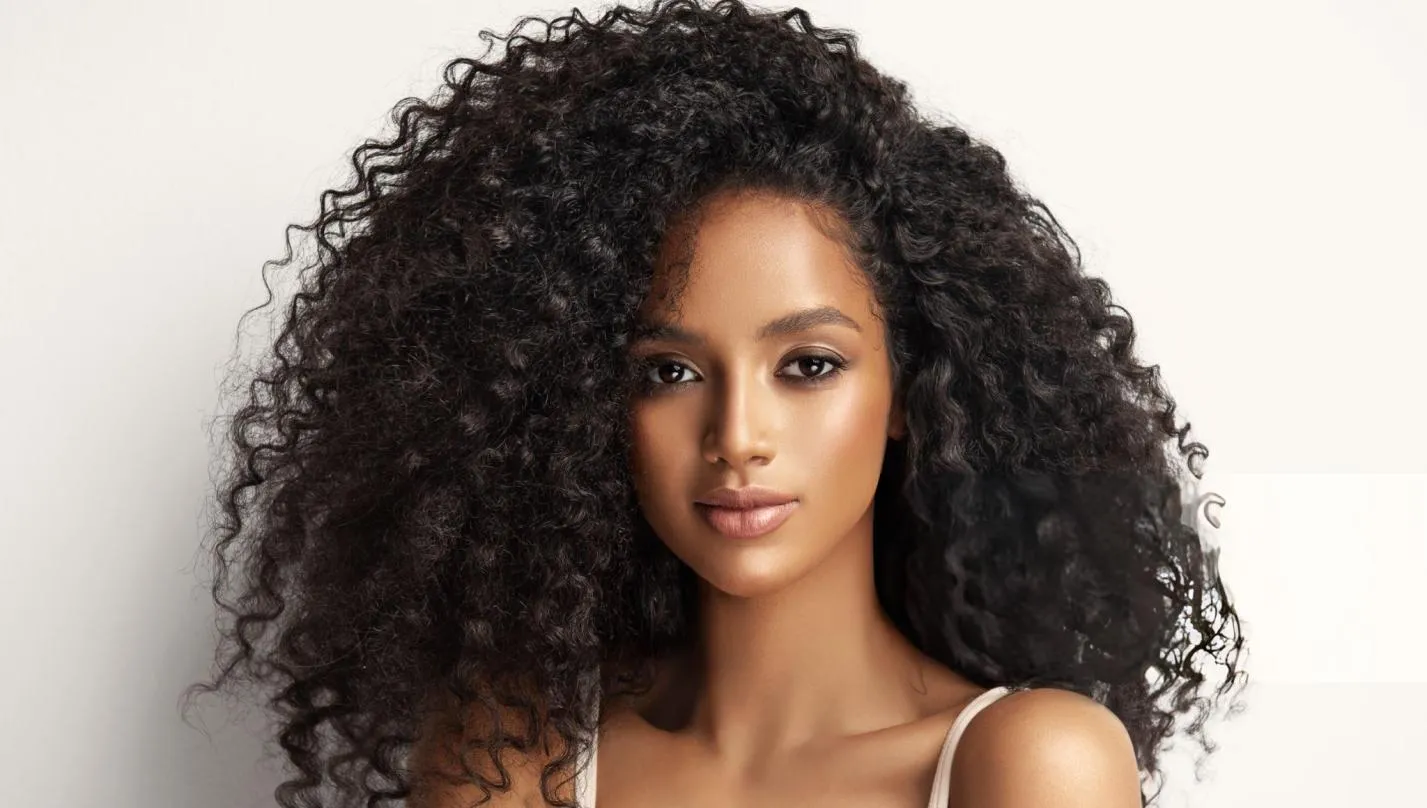
Curly clip-ins can completely transform a look, but they also need a thoughtful care routine if you want them to stay soft, defined, and polished between wears. Unlike straighter textures, curl patterns react quickly to dryness, friction, heavy product buildup, and rough detangling, which is why a little maintenance goes a long way. In the beauty and modern salon space, healthy-looking extensions are not just about installation day—they are about how well the texture holds up afterward. When you build simple habits around moisture, gentle handling, and smart storage, your curls are far more likely to stay wearable, bouncy, and natural-looking instead of turning puffy, dull, or matted too soon.
Build Your Routine Around Texture First
When textured and natural hair are the reference point, Curly Clip In Extensions should be cared for in a way that respects the shape of the curl rather than forcing it to behave like straight hair. That means reducing unnecessary brushing, keeping the strands lightly moisturized, and avoiding daily over-manipulation. A good care routine starts with understanding that curl definition depends on balance: too little moisture creates frizz, while too much product can leave the hair coated, limp, and harder to separate cleanly.
It also helps to think like a salon professional when maintaining textured add-ons. Instead of waiting until the hair feels dry or tangled, create a simple schedule for refreshing, detangling, and storing it properly after each use. Small habits such as removing clips carefully, smoothing the ends before storage, and separating sections with your fingers can make a visible difference in how long the texture stays fresh. The goal is not to over-style the hair every day, but to preserve its original movement and softness with less stress.
Wash Less Often, but Moisturize More Intentionally
One of the biggest mistakes people make with curly extensions is washing them too often while not paying enough attention to moisture in between. Frequent cleansing can strip away softness, especially if the hair is exposed to styling creams, edge products, or environmental buildup. In most cases, it is better to wash only when the hair genuinely needs it, then follow with a lightweight moisturizing routine that keeps the strands supple without weighing down the curl pattern. A sulfate-free cleanser and a slip-rich conditioner are usually the safest starting point.
For people wearing textured or natural styles that lean toward a springier, defined finish, 3C Clip In Hair Extensions often respond best to light hydration applied in sections rather than one heavy product layered all over. A water-based leave-in, a small amount of curl cream, and gentle scrunching can help revive shape without creating residue. If the hair starts looking fuzzy by midday, avoid piling on more cream. Instead, use a light mist and smooth the surface with your hands to bring the curls back under control.
Detangle Gently Before Frizz Has a Chance to Build
Detangling should never begin when the hair is bone dry and already knotted. That is usually the fastest route to shedding, frizz, and a stretched-out curl pattern. The better approach is to work in sections, apply moisture first, and use your fingers to loosen snags before introducing a wide-tooth comb. Start at the ends, move upward slowly, and keep each section controlled so the strands do not re-tangle while you are working. This method is slower, but it protects the shape and integrity of the curls far better than rushing through with a brush.
Timing matters just as much as technique. If you notice a little friction at the nape or slight puffiness after wear, handle it early rather than waiting for the hair to become difficult to manage. A quick refresh session can be enough to stop minor tangles from turning into a bigger problem. It also helps to separate the curls with intention after detangling instead of fluffing the hair too aggressively. Defined, touchable volume usually looks more polished than over-expanded texture, especially when you want the finish to stay salon-relevant and neat.
Daily Habits That Help Prevent Dryness, Tangling, and Puffiness
Frizz control is often less about one miracle product and more about the habits surrounding daily wear. Hair that is clipped in and removed properly tends to last longer than hair that is pulled out quickly at the end of the day. The same is true for storage. Tossing extensions into a drawer or handbag invites tangling, while laying them flat, hanging them neatly, or storing them in a silk or satin bag helps reduce friction. Consistency is what protects the style over time.
Some of the most effective low-effort habits include:
-
Using a satin or silk storage option after each wear
-
Refreshing with a light mist instead of reapplying heavy products repeatedly
-
Keeping hot tools to a minimum so the curl pattern stays intact
-
Avoiding alcohol-heavy products that can leave the hair feeling rough
-
Separating sections gently before and after installation
-
Removing clips carefully so the base does not snag surrounding strands
These habits may seem simple, but together they help preserve softness, improve manageability, and keep the hair looking refined rather than overworked. That is especially important for anyone who wants their extensions to blend beautifully with textured hair and still look elevated in everyday styling.
Beauty Tips to Remember
The best care routine for curly clip-ins is one that protects the curl pattern before problems start. Gentle detangling, thoughtful moisture, lighter product use, and proper storage all support a smoother, more controlled finish. You do not need an overly complicated routine to keep the hair looking good, but you do need consistency. When the texture is handled with care, it is much easier to maintain that soft, defined look people associate with healthy, well-kept extensions.
If your goal is long-lasting wear with less frizz and fewer tangles, focus on prevention instead of correction. Treat the hair like a texture that deserves maintenance, not just styling. That shift alone can improve how your extensions look from one wear to the next and help you keep a polished, natural result that fits beautifully within a modern beauty routine.